

Football captivates fans not only with thrilling matches but also with the incredible variety of stadiums worldwide. From colossal arenas that can host hundreds of thousands of spectators to modest yet fully equipped grounds buzzing with energy, each stadium has its own story. In this article, we explore the Top 5 Smallest Football Stadiums in the world, highlighting their unique charm, history, and the unforgettable experiences they offer to fans.
5. Estadio Regional de Chinquihue – Chile
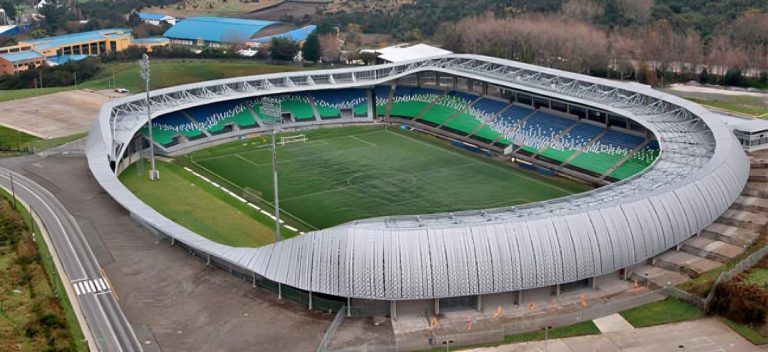
Located in the picturesque city of Puerto Montt, Chile, Estadio Regional de Chinquihue is one of South America’s most distinctive football venues. With a seating capacity of 10,000, this stadium serves as the home ground for Deportes Puerto Montt, offering fans an intimate yet electrifying atmosphere. Surrounded by mountains and the ocean, the stadium delivers a scenic and unique football-watching experience that larger arenas often cannot provide.
Originally inaugurated in 1982, the stadium has undergone multiple renovations to modernize its facilities while maintaining a natural harmony with its surroundings. Its simple, single-tiered stands foster a close connection between players and fans, creating a warm, communal environment during matches. While the stadium may be considered small, it has hosted numerous second-division tournaments and youth matches, proving that size does not limit importance.
Despite being located in a less densely populated region, the stadium consistently attracts loyal supporters who understand that football’s heart lies in passion, not scale. The combination of breathtaking landscapes and an intimate viewing experience makes Estadio Regional de Chinquihue a standout example among the Smallest Football Stadiums in South America.
| Information | Details |
|---|---|
| Stadium Name | Estadio Regional de Chinquihue |
| Location | Puerto Montt, Chile |
| Capacity | 10,000 |
| Year Opened | 1982 (renovated later) |
| Home Club | Deportes Puerto Montt |
4. Haladás Sportkomplexum – Hungary

Haladás Sportkomplexum, situated in Szombathely, Hungary, is a modern multi-purpose stadium that holds only 8,903 spectators. Serving as the home ground for Szombathelyi Haladás, a club with a rich local football history, this stadium combines contemporary architecture with a community-oriented approach. Though one of the Smallest Football Stadiums, it stands as a symbol of the region’s commitment to sports development and local talent cultivation.
Inaugurated in 2017, Haladás Sportkomplexum is part of a larger sports complex, which includes gym facilities, artificial turf fields, and multipurpose training areas. Its design emphasizes natural light and open spaces, allowing fans to enjoy matches in comfort. Unlike larger, impersonal arenas, this stadium promotes close interaction between players and supporters, creating an atmosphere where every cheer resonates.
What makes Haladás Sportkomplexum truly remarkable is its focus on nurturing youth talent and promoting community engagement. It regularly hosts local league matches, training sessions, and youth competitions, highlighting how a smaller stadium can still be central to football culture. Among the Smallest Football Stadiums, it excels in combining functionality, fan experience, and local significance.
| Information | Details |
|---|---|
| Stadium Name | Haladás Sportkomplexum |
| Location | Szombathely, Hungary |
| Capacity | 8,903 |
| Year Opened | 2017 |
| Home Club | Szombathelyi Haladás |
Also Read:
- Top 5 Legendary Footballers Who Died During a Match E2bet Reveals
- Top 5 Legendary Footballers with the Most Ballon d’Or Wins E2bet Reveals
3. Toyota Soccer Field – USA
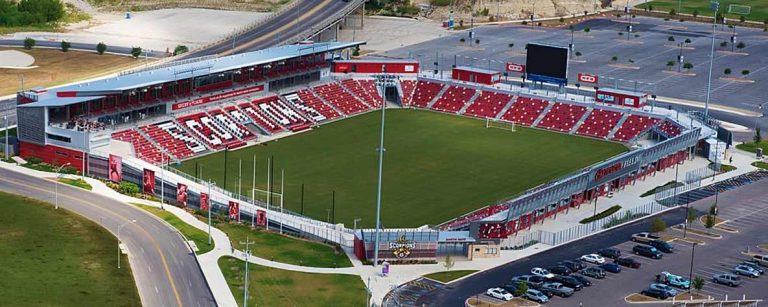
Toyota Soccer Field in Texas, USA, is a compact stadium primarily used for youth and semi-professional football matches. With a seating capacity of 8,296, the field is part of the Toyota Sports Complex and is central to developing local football talent. Despite its smaller scale, it plays a significant role in the American football ecosystem and is recognized among the Smallest Football Stadiums in North America.
The stadium offers an open and fan-friendly design, ensuring that every seat provides a clear view of the action. While it mainly hosts USL matches and school competitions, it has also seen promising young athletes launch their professional careers from its grounds. The management prioritizes professionalism, fan experience, and community involvement, proving that a smaller stadium can be just as impactful as larger arenas.
Toyota Soccer Field demonstrates that stadium size is not the only measure of importance. Its integration with community programs and youth development initiatives makes it a pivotal hub for football in Texas. Among the Smallest Football Stadiums, it exemplifies how thoughtful design and purpose-driven operations create lasting value for both players and fans.
| Information | Details |
|---|---|
| Stadium Name | Toyota Soccer Field |
| Location | Texas, USA |
| Capacity | 8,296 |
| Usage | USL matches, school games, youth development |
| Owner | Toyota Sports Complex |
2. Ipurua Stadium – Spain
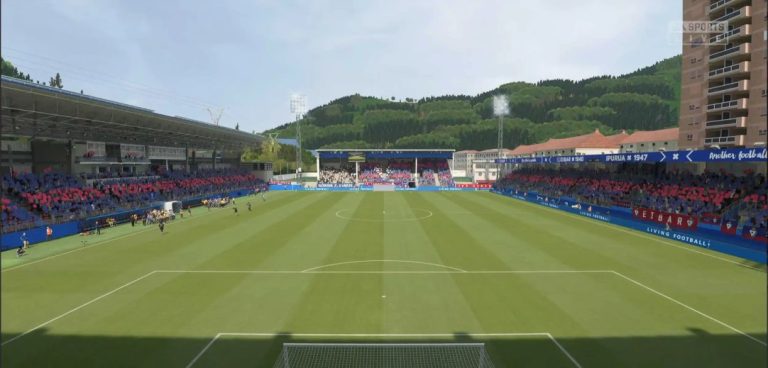
Nestled in Eibar, Basque Country, Ipurua Stadium is a cultural and footballing landmark with a capacity of 8,164. Serving as the home of SD Eibar, a club that has competed in La Liga, the stadium is a prime example of how the Smallest Football Stadiums can deliver an electrifying atmosphere despite their limited size.
Built in 1947 and renovated several times, Ipurua blends traditional architecture with modern amenities. Its upgraded stands ensure fan safety while preserving intimacy, allowing supporters to be close to the action. The fervent fan base creates a unique energy that challenges even the most imposing opponents, making Ipurua a fortress in its own right. The stadium has welcomed world-class teams such as Real Madrid and Barcelona, demonstrating that small venues can host high-calibre football.
Ipurua’s enduring appeal lies in its community connection. Its compact size amplifies the intensity of every match, making each goal celebration more personal and memorable. For those seeking the charm and passion of football away from massive arenas, Ipurua Stadium epitomises what the Smallest Football Stadiums can offer.
| Information | Details |
|---|---|
| Stadium Name | Ipurua Stadium |
| Location | Eibar, Spain |
| Capacity | 8,164 |
| Year Built | 1947 |
| Home Club | SD Eibar |
1. Alfredo Di Stéfano Stadium – Spain
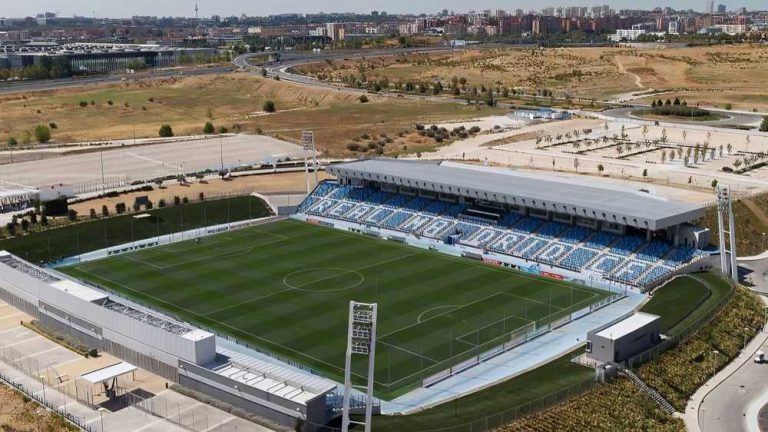
The Alfredo Di Stéfano Stadium in Madrid, Spain, is a modern football venue with a seating capacity of 6,000, making it one of the Smallest Football Stadiums globally. Located within Real Madrid’s training complex, Ciudad Real Madrid, it serves as the home of Real Madrid Castilla, the club’s reserve team. Despite its modest size, it has occasionally hosted first-team matches, highlighting its strategic significance.
Inaugurated in 2006 and named after the legendary Di Stéfano, the stadium merges modern design with practicality. Its intimate environment allows fans to experience matches closely, while players benefit from top-tier facilities for both training and competition. During the COVID-19 pandemic, the stadium even hosted Real Madrid’s first-team matches when the Santiago Bernabéu was unavailable, proving its versatility and importance.
Alfredo Di Stéfano Stadium exemplifies how a smaller stadium can wield substantial influence. It reflects a balance between modernity and tradition, offering an essential stage for nurturing talent and maintaining the club’s operational efficiency. Among the Smallest Football Stadiums, it is a remarkable example of quality, purpose, and legacy.
| Information | Details |
|---|---|
| Stadium Name | Alfredo Di Stéfano Stadium |
| Location | Madrid, Spain |
| Capacity | 6,000 |
| Year Opened | 2006 |
| Home Club | Real Madrid Castilla |
FAQs
Q1: Why are these stadiums considered the smallest?
-> These stadiums have relatively low seating capacities, ranging from 6,000 to 10,000, but they still provide a complete football experience, earning them the title of Smallest Football Stadiums.
Q2: Can these small stadiums host professional matches?
-> Yes, many of them host top-tier league matches, youth competitions, and even international fixtures despite their smaller size.
Q3: What makes a small stadium special compared to large ones?
-> Smaller stadiums offer intimacy, strong community ties, and a vibrant atmosphere, creating unique experiences for fans and players alike.
Q4: Are these stadiums financially viable for clubs?
-> Yes, they often reduce maintenance costs and foster local fan engagement while still serving as venues for high-quality football matches.
Q5: How do these stadiums compare to the largest stadiums?
-> While they lack massive capacity, the Smallest Football Stadiums focus on atmosphere, fan experience, and community involvement, proving size isn’t the only measure of impact.