

In the Big Bash League (BBL), bowling is not just about taking wickets. Controlling the runs is equally important. A bowler who can maintain a low economy rate puts pressure on the batting side and helps the team stay in control. Economy rate is calculated by the number of runs conceded per over, and it is one of the most valuable measures of a bowler’s effectiveness. Over the years, some bowlers have stood out for their skill in restricting scoring while also taking key wickets. In this article, we explore the Best Economy Rates in Big Bash League History, starting from the 10th best to the top-ranked bowler.
List of 10 Best Economy Rates in Big Bash League History
10. IS Sodhi

Sodhi played 3 matches in 2017, bowling 11.3 overs, conceding 70 runs, and taking 9 wickets. His best figures were 6/11. With an economy rate of 6.08, he tops the list of bowlers with the Best Economy Rates in Big Bash League History. Sodhi’s ability to take wickets while controlling runs made him a standout performer. His precise line, variations, and tactical awareness allowed him to dominate batsmen and deliver match-winning spells. Sodhi represents the ideal T20 bowler, balancing wicket-taking ability with low run concession.
| Mat | Runs | Wkts | BBI | Econ |
|---|---|---|---|---|
| 3 | 70 | 9 | 6/11 | 6.08 |
9. DMK Grant

Grant appeared in 2 matches in 2022. He bowled 8 overs, gave 48 runs, and took 3 wickets. With an economy rate of 6.00, Grant is among the bowlers with the Best Economy Rates in Big Bash League History. His ability to keep scoring low while taking crucial wickets helped his team build pressure on the opposition. Grant’s disciplined approach shows how careful planning and execution can lead to excellent economy rates, even in short tournaments.
| Mat | Runs | Wkts | BBI | Econ |
|---|---|---|---|---|
| 2 | 48 | 3 | 3/20 | 6.00 |
READ MORE: Top 10 Players with the Highest Strike Rates in BBL History
8. Fazalhaq Farooqi

Farooqi played 4 matches in 2022. Over 16 overs, he gave 93 runs and took 5 wickets, with best bowling figures of 3/20. His economy rate of 5.81 ensures he is on the list of bowlers with the Best Economy Rates in Big Bash League History. Farooqi’s ability to restrict runs while taking important wickets helped his team control matches. His bowling style, accuracy, and tactical thinking make him a valuable asset in the BBL.
| Mat | Runs | Wkts | BBI | Econ |
|---|---|---|---|---|
| 4 | 93 | 5 | 3/20 | 5.81 |
7. M Muralidaran

Muralidaran played 16 matches from 2012 to 2014. He bowled 61 overs, giving away 348 runs and taking 19 wickets. His best figures were 3/18. With an economy rate of 5.70, he is recognized among the players with the Best Economy Rates in Big Bash League History. His consistent line and length prevented batsmen from scoring freely while also providing opportunities for wickets. Muralidaran’s performances show how a bowler’s discipline and skill can control the pace of the game, which is vital in the T20 format.
| Mat | Runs | Wkts | BBI | Econ |
|---|---|---|---|---|
| 16 | 348 | 19 | 3/18 | 5.70 |
6. T Shamsi

Shamsi appeared in 4 matches in 2026. Over 14.5 overs, he gave only 84 runs and took 8 wickets. His best performance was 4/15, showing both wicket-taking ability and control over runs. With an economy rate of 5.66, Shamsi is among the bowlers with the Best Economy Rates in Big Bash League History. His spin bowling consistently created pressure on batsmen, forcing errors and producing wickets at important stages. Shamsi demonstrates how a bowler can dominate by combining accuracy, variations, and smart field placements.
| Mat | Runs | Wkts | BBI | Econ |
|---|---|---|---|---|
| 4 | 84 | 8 | 4/15 | 5.66 |
5. J Seymour
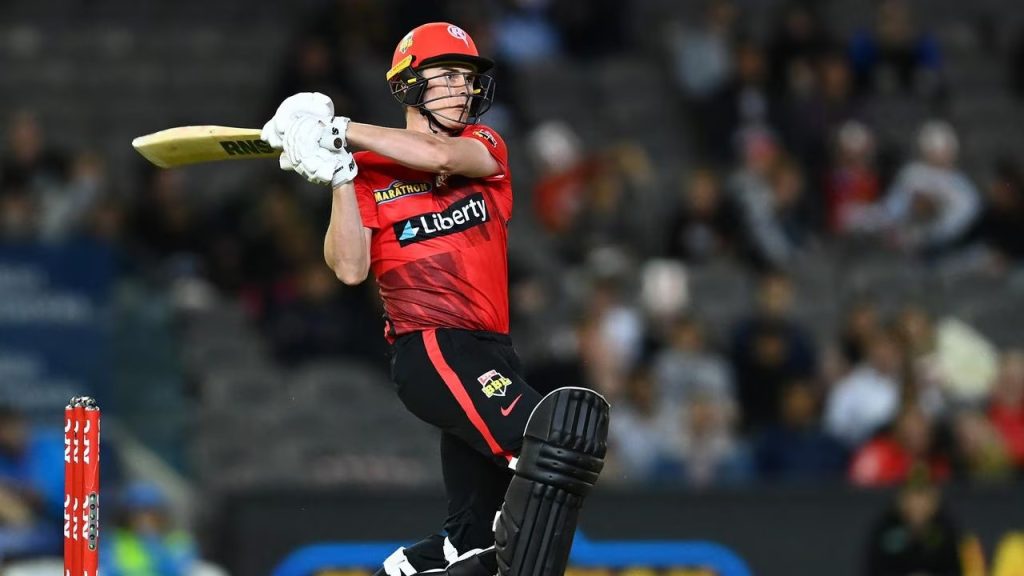
Seymour played 14 matches from 2021 to 2023. In total, he bowled 5 overs and conceded only 28 runs. Although he did not take any wickets, his economy rate of 5.60 is impressive and earns him a spot in the list of bowlers with the Best Economy Rates in Big Bash League History. Seymour’s consistent bowling allowed his team to maintain control during the middle overs, a period where batsmen often try to accelerate. His ability to limit scoring without relying on wickets shows that economy alone can change the flow of a match.
| Mat | Runs | Wkts | BBI | Econ |
|---|---|---|---|---|
| 14 | 28 | – | – | 5.60 |
4. Saeed Ajmal
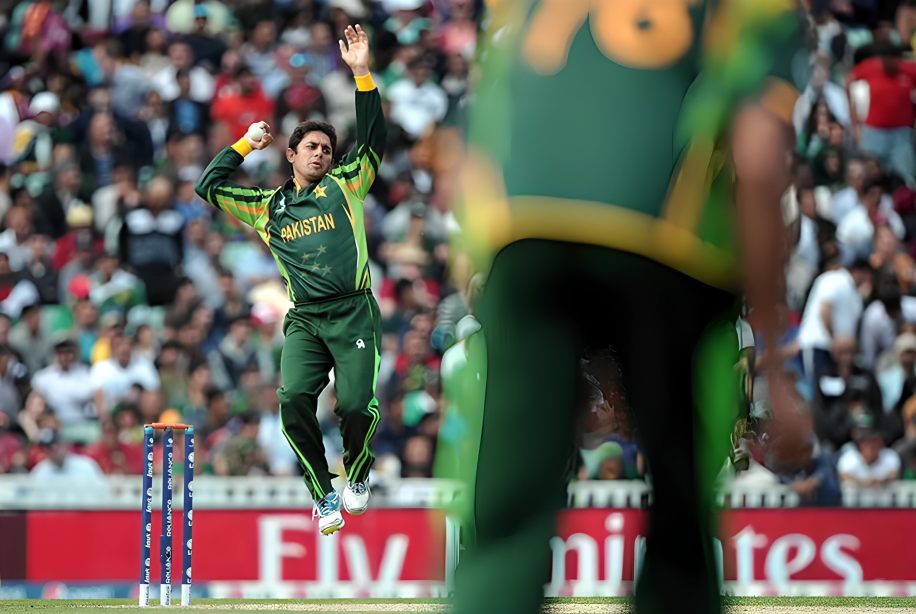
Ajmal’s BBL career was short, with only 1 match in 2012, but he made it count. He bowled 4 overs, gave 22 runs, and took 1 wicket. His economy rate of 5.50 places him among the bowlers with the Best Economy Rates in Big Bash League History. Ajmal’s off-spin kept the batsmen guessing and prevented them from scoring freely. Even in a brief spell, his skillful bowling demonstrated the importance of maintaining control over the scoring rate in T20 cricket. Players like Ajmal prove that a disciplined approach is essential for managing games efficiently.
| Mat | Runs | Wkts | BBI | Econ |
|---|---|---|---|---|
| 1 | 22 | 1 | 1/22 | 5.50 |
3. SL Malinga

Malinga is widely regarded as one of the most effective T20 bowlers. Between 2012 and 2014, he played 13 matches in the BBL, bowling 50 overs, giving 270 runs, and taking 18 wickets. His best bowling figures of 6/7 are remarkable. Malinga’s economy rate of 5.40 reflects his ability to combine wicket-taking with run restriction. The combination of his deadly slower balls, toe-crushing yorkers, and excellent line and length made him a nightmare for batsmen. Malinga’s performances are a prime example of why he is on the list of the Best Economy Rates in Big Bash League History. His overs often built pressure and allowed other bowlers to pick wickets at the other end.
| Mat | Runs | Wkts | BBI | Econ |
|---|---|---|---|---|
| 13 | 270 | 18 | 6/7 | 5.40 |
READ MORE: Top 10 Bowlers with Most Wickets in BBL History
2. SMSM Senanayake
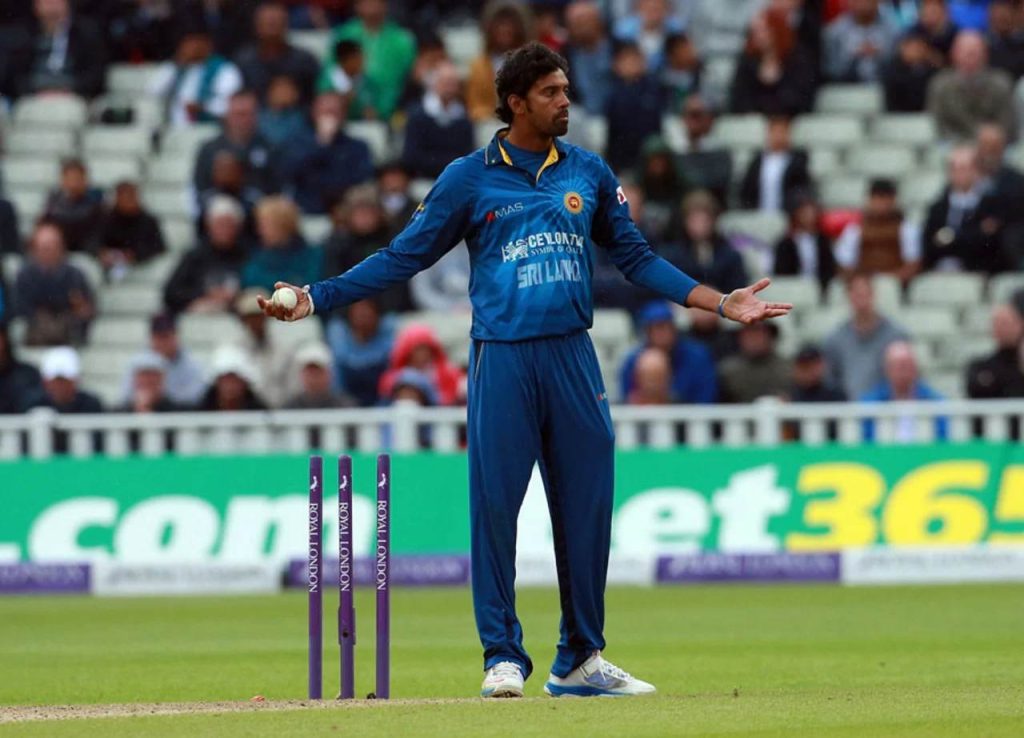
Senanayake featured in 2 matches in 2013, delivering a total of 8 overs. He gave away only 38 runs and took 1 wicket. With an economy rate of 4.75, he ranks among the players with the Best Economy Rates in Big Bash League History. Senanayake’s skill in keeping the scoring rate low made it difficult for opposition batsmen to accelerate. Tight overs from bowlers like Senanayake are crucial in T20 cricket because they build pressure and create opportunities for wickets at the other end. His economical spell shows that consistency is just as important as taking wickets in maintaining control during a match.
| Mat | Runs | Wkts | BBI | Econ |
|---|---|---|---|---|
| 2 | 38 | 1 | 1/19 | 4.75 |
1. CR Swan

CR Swan played only 1 match in 2012, but his performance was impressive. He bowled 4 overs, gave away only 16 runs, and took 1 wicket. Even in a single match, his ability to keep the runs so low shows why he deserves a place in the list of bowlers with the Best Economy Rates in Big Bash League History. Swan’s precise bowling meant that batsmen could not dominate him, and his team benefited from tight overs in a crucial situation. While it was only one appearance, Swan proved that even a brief spell can have a big impact in T20 cricket.
| Mat | Runs | Wkts | BBI | Econ |
|---|---|---|---|---|
| 1 | 16 | 1 | 1/16 | 4.00 |
The Big Bash League has produced several bowlers who have mastered the art of limiting runs while taking crucial wickets. From CR Swan’s single-match brilliance to IS Sodhi’s game-changing spells, these players have set benchmarks for the Best Economy Rates in Big Bash League History. Maintaining a low economy rate is just as important as taking wickets, especially in T20 cricket, where every run counts. Bowlers who can combine control, accuracy, and tactical thinking not only help their team win matches but also inspire the next generation of cricketers.
FAQs
1. What does “economy rate” mean in the Big Bash League?
Economy rate is the number of runs a bowler gives per over. In T20 cricket, including the BBL, it shows how well a bowler can control the scoring. A lower economy rate means the bowler is effective at restricting runs, even if they don’t take many wickets. Bowlers with the Best Economy Rates in Big Bash League History are highly valued because they make it harder for batsmen to accelerate the score.
2. Why is a low economy rate important in T20 cricket?
In T20 matches like the BBL, every run matters. A bowler who maintains a low economy rate keeps the opposition under pressure and helps their team stay competitive. Even a single over with a tight economy can change the momentum of the game. That’s why bowlers with the Best Economy Rates in Big Bash League History are crucial. They combine control with wicket-taking ability to impact the match significantly.
3. Who are some top bowlers with the best economy rates in BBL history?
Some of the top bowlers include IS Sodhi, DMK Grant, Fazalhaq Farooqi, and SL Malinga. These players not only took key wickets but also consistently restricted runs. Sodhi, for example, had an economy rate of 6.08 while taking 9 wickets in just 3 matches. Bowlers like them show how skill, accuracy, and strategic bowling can lead to exceptional performance and place them among the Best Economy Rates in Big Bash League History.
4. Can a bowler have a good economy rate without taking many wickets?
Yes. A bowler can maintain a low economy rate even if they don’t take many wickets. For example, J Seymour played 14 matches and bowled several overs, conceding very few runs without taking any wickets. In T20 cricket, restricting scoring can be just as important as taking wickets, as it builds pressure and creates opportunities for other bowlers. That’s why economy rate is a key metric in identifying bowlers with the Best Economy Rates in Big Bash League History.